Updated: March 23, 2026
Rogue Referrals are a common issue when implementing Adobe Analytics on Single Page Applications (SPAs). If not handled properly, they can significantly distort your traffic attribution—especially for paid campaigns.
In this guide, you’ll learn:
- What Rogue Referrals are
- Why they happen in SPAs
- How to detect them
- A step-by-step solution using Adobe Launch (Tags)
What are Rogue Referrals?
Rogue Referrals occur when traffic sources are incorrectly reclassified during a visit, typically affecting SPAs.
In a traditional website: Each page load captures tracking parameters (e.g., utm_*, cid)
In an SPA: The page loads only once, Subsequent page views do not reload the page, tracking parameters are lost after the first interaction
As a result, Adobe Analytics may overwrite the original traffic source.
Example of Rogue Referral Impact
For example:if a user visit a website through google/cpc (paid search)., the first page correctly captures the campaign parameters. which can be identified and divided into google/cpc, but on the second “page view” (SPA navigation), those parameters are no longer present. Adobe Analytics falls back to the referrer (e.g., google.com). Since google.com is recognized as a search engine, the visit is reclassified as organic seach
This leads to paid traffic being misattributed as organic, which can significantly distort your marketing data.
How to Identify Rogue Referral Issues
You can detect this issue by comparing segments in Adobe Analytics.
For example:
- Segment A: Visits from Paid Search
- Segment B: Visits from Organic Search
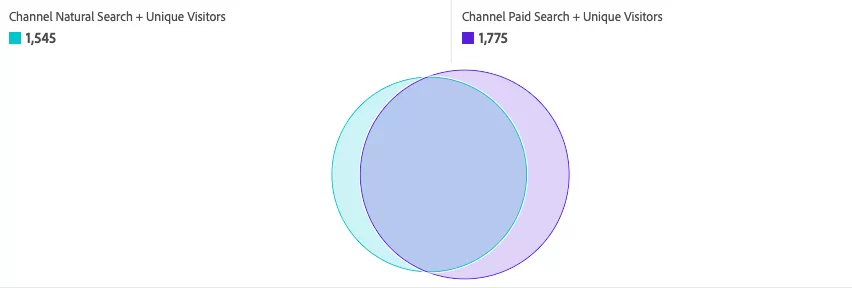
If you observe a large overlap or unexpected shift from paid to organic in subsequent page views, this indicates a Rogue Referral problem.
In severe cases, a significant portion of paid traffic is misclassified as organic.
How to Fix Rogue Referrals in Adobe Analytics (SPA Solution)
The core idea is simple:
Only set the referrer on the first page load, and prevent it from being overwritten on subsequent SPA navigations.
This ensures that all subsequent interactions inherit the original traffic source. This is the idea shared by Frederik Werner.
Since the referrer parameter only needs to be set when the webpage is opened or loaded, that is, the Referrer parameter is only set when the first page is opened, the identification of the first page can be judged by a cookie identifier(Suppose the cookie name is is_first), if the cookie identifier no exist, then it is the first page, if there is a cookie exit, it is the first page.
So we need to set three rules:
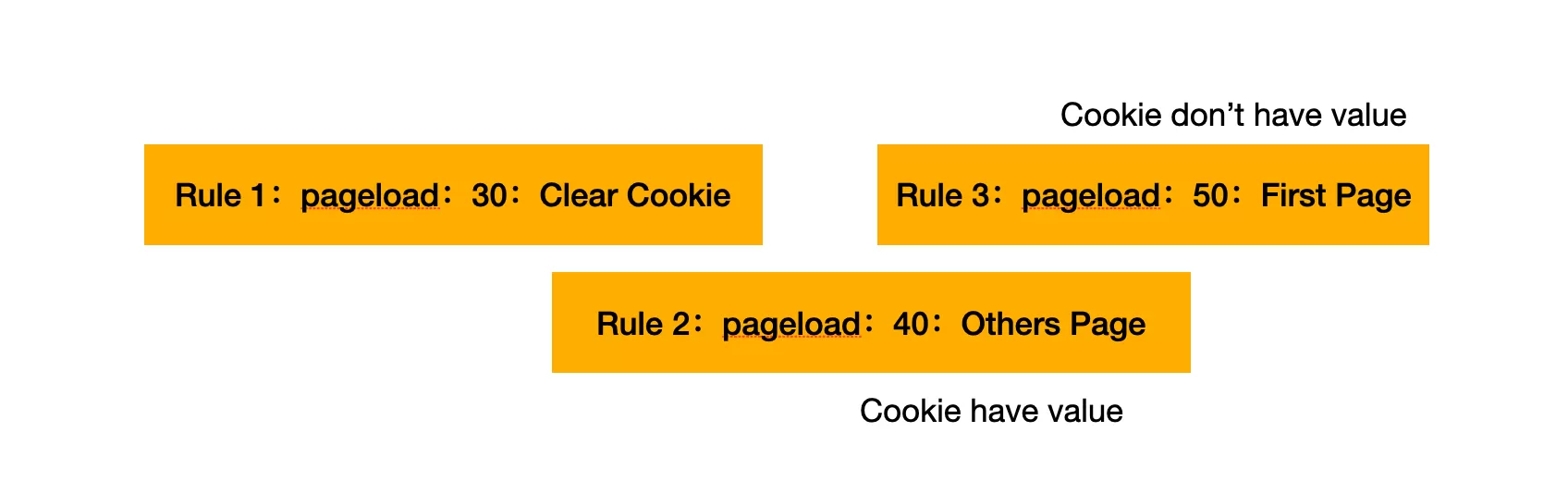
- Rules 1:When the page is loaded, first check whether there is is_first in the cookie, and clear it if so. At the same time, write the cid to the Cookie last_channel, and the validity period is 30 minutes.
- Rules 2:This does not need to set referral, and the priority of execution is higher than that of First Page. Executed if the cookie have is_first. (Control the execution order through Order 40)
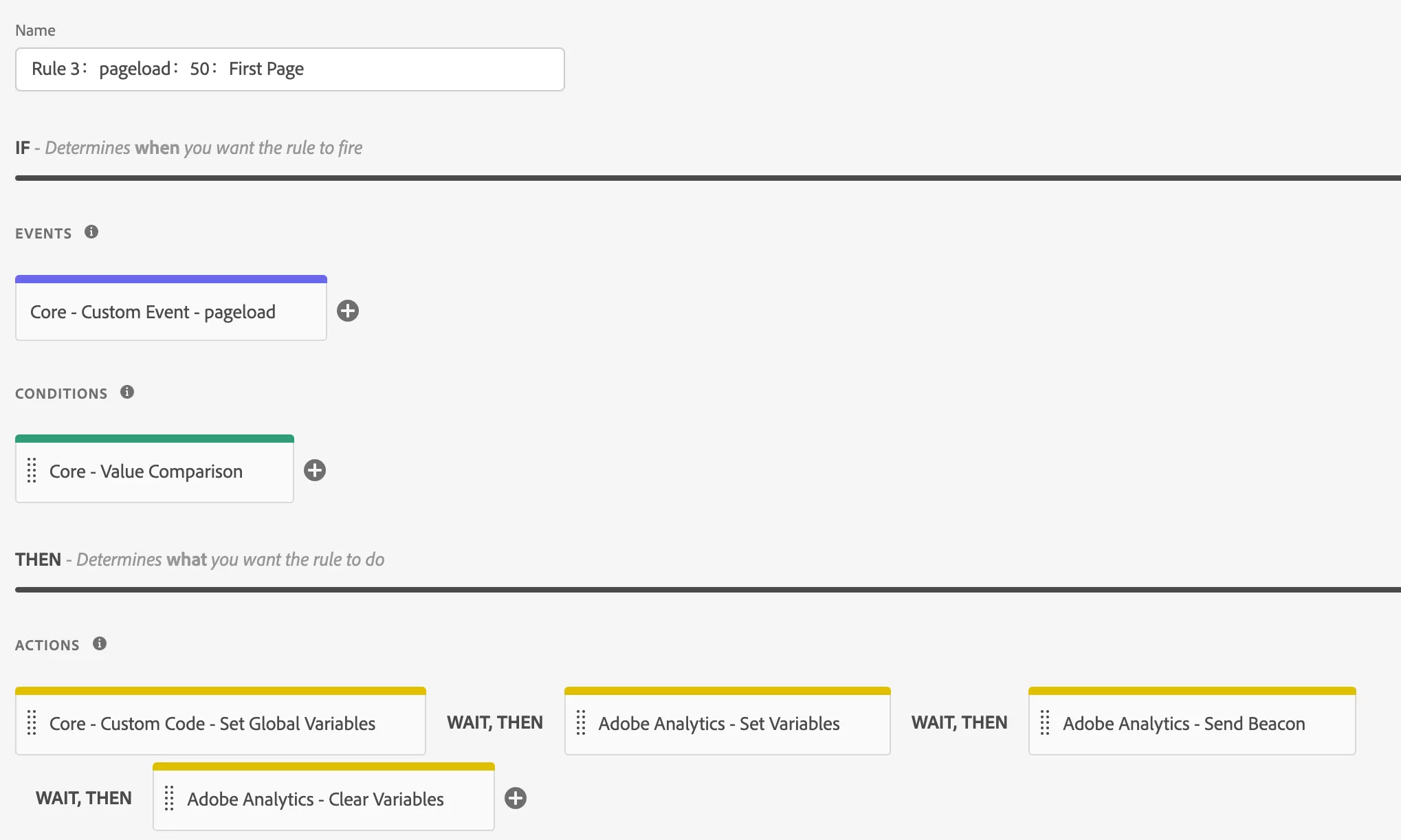
- Rules 3:This is used to track the First Page, and Referral needs to be set. If there is no is_fist in the cookie, set the value in Cookie last_channel to referral. and set the cookie is_fist.
Rules 2 and Rules 3 are actually page tracking, which need to be divided into First page and other pages, because Referral is only set on First Page.
Execution Logic Explained, when the first page is open:
- Rules 1: Execution
- Rules 2: Do not execute
- Rules 3: Execution
If it’s the second page:
- Rules 1: Do not execute
- Rules 2: Execution
- Rules 3: Do not execute
If it is refresh or reload the page.
- Rules 1: Execution
- Rules 2: Do not execute
- Rules 3: Execution
In this way, there will still be a small part of being called as natural search, but the proportion is very low.
Implementation Using Adobe Launch (Tags)
We’ll use a cookie-based approach to control when the referrer is set.
Rule 1:pageload:30:Clear Cookie
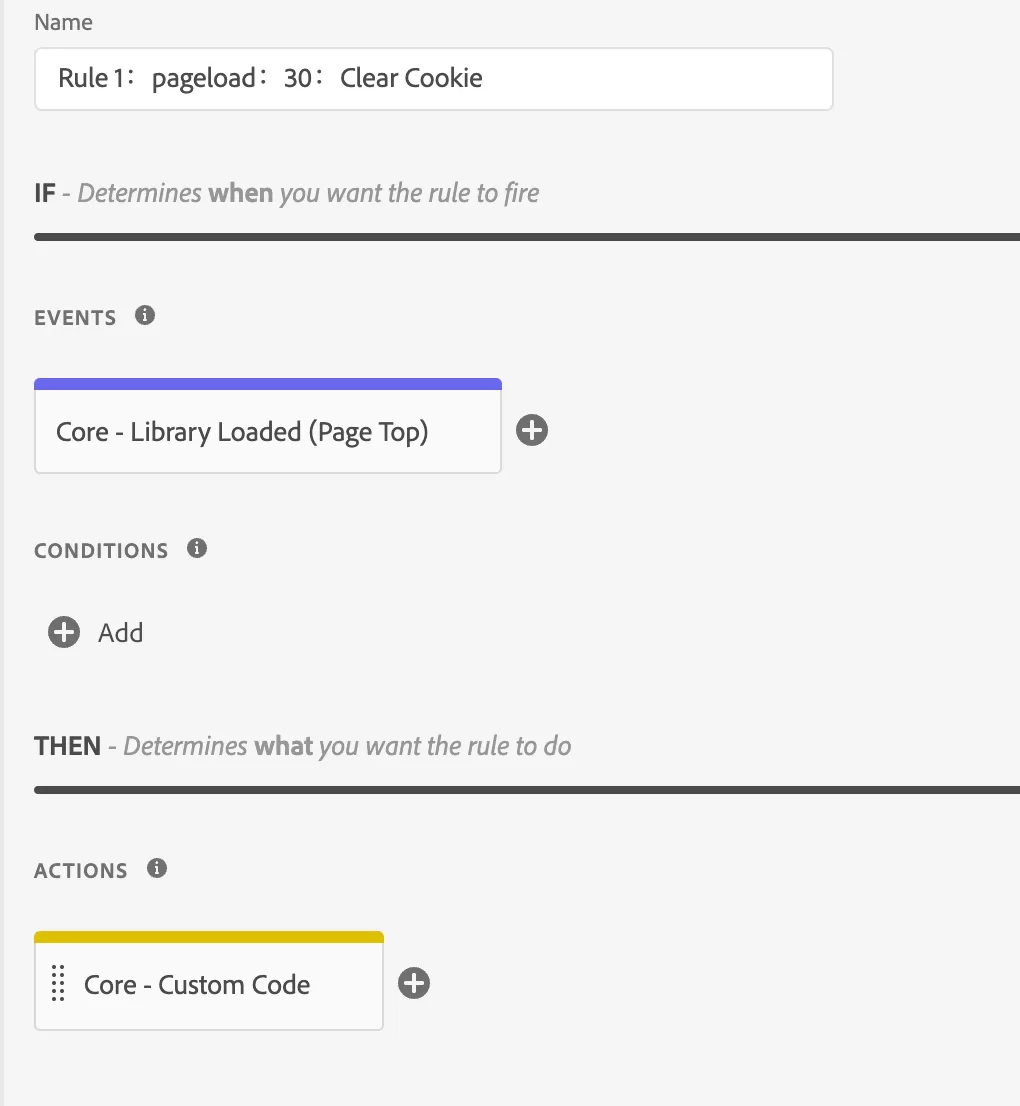
Purpose: Reset state on page load, use a cookie (e.g., _test) to identify whether it’s the first page load:
- Cookie does not exist → First page, set s.referrer
- Cookie exists → Otheres pages, executed normally.
Rule 2:pageload:40:Others Page
In CONDITION, if _test cookie exists, Do NOT set s.referrer and executed normally.
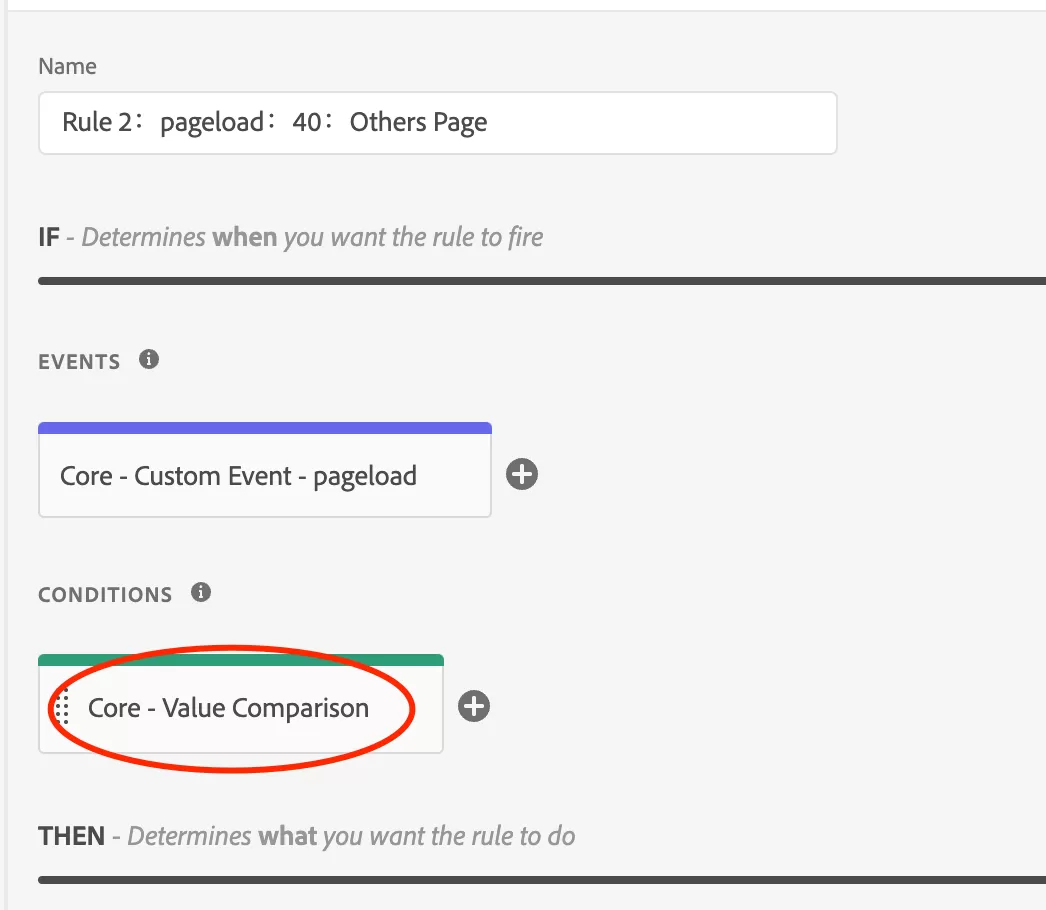
Rule 3:pageload:50:First Page
In CONDITION, if _test cookie does NOT exist , set s.referrer and Cookie _test, then executed normally.
Final Thoughts
Rogue Referrals are a hidden but serious issue in SPA tracking with Adobe Analytics.
The key takeaway: Control when the referrer is set, and persist attribution across the session.
With a simple cookie-based strategy, you can eliminate most attribution errors and significantly improve data quality.