If you landed on this page looking for the Launch Library Parser, you’ve probably already noticed the bad news — the tool has been discontinued. But if you’re still curious about what it did, how it worked, and whether there’s anything useful you can learn from it, you’ve come to the right place.
I’ve spent some time with this tool back when it was still running, and I have to say — it was pretty useful. Developed by Urs Boller, the Launch Library Parser was a free online tool that analyzed your Adobe Launch library code, spotted potential problems, and gave you a nice visual overview of your setup. Think of it as a health checkup for your Launch container.
What the Launch Library Parser Did
The tool served three main purposes:
- Detect potential problems in your Adobe Launch deployment
- Search for specific code inside your library
- Visualize dependencies between data elements, rules, and extensions
Long story short: you’d paste your library code, hit a button, and get back a clean diagnostic report. No installation, no sign-up, just results.
How to Use It
The method was dead simple. Here’s how it worked:
- Step 1: Copy your Adobe Launch Library Code.
- Step 2: Head over to launch-parser.com and paste the code into the input field.
- Step 3: Click Launch and wait a minute or two. That’s all.
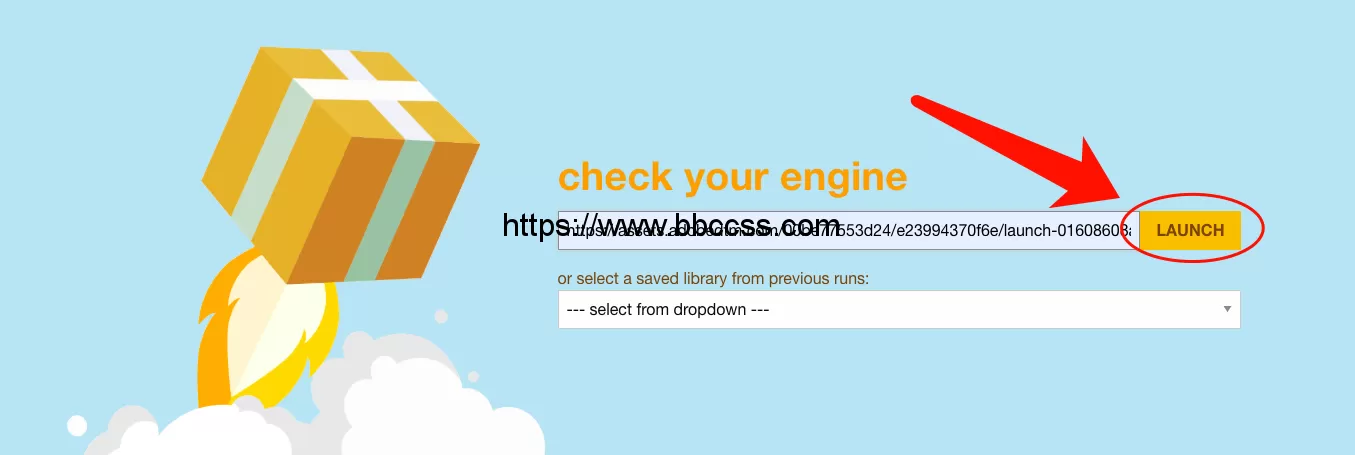
Then you need to wait a minute or two,Then the following data report will appear, mainly in three parts: Quality, Content and Dependencies:Once the analysis was complete, you’d see a data report with three main sections: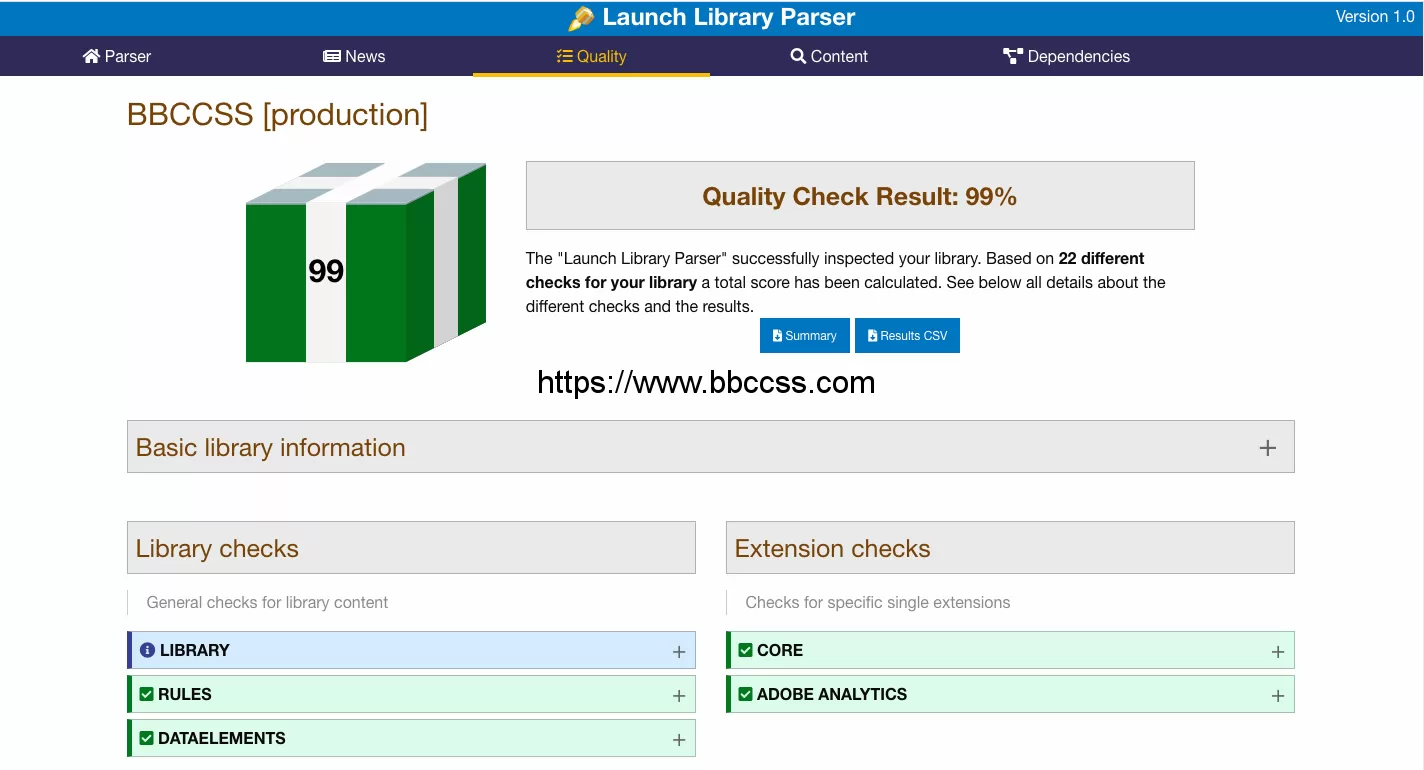
- Quality: Quality check results and logic monitoring for your library
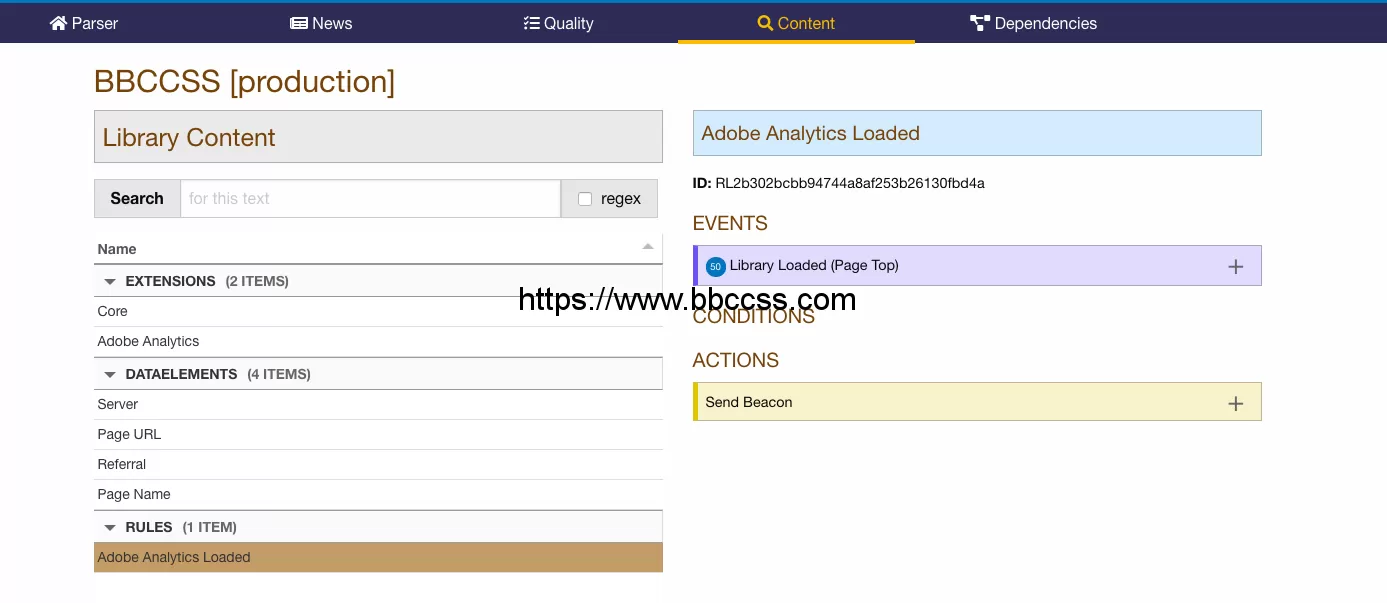
- Content: Configuration settings from your Launch property
- Dependencies: Data transfer relationships between components
Quality
This was the most important section — and honestly, the main reason to use the tool.
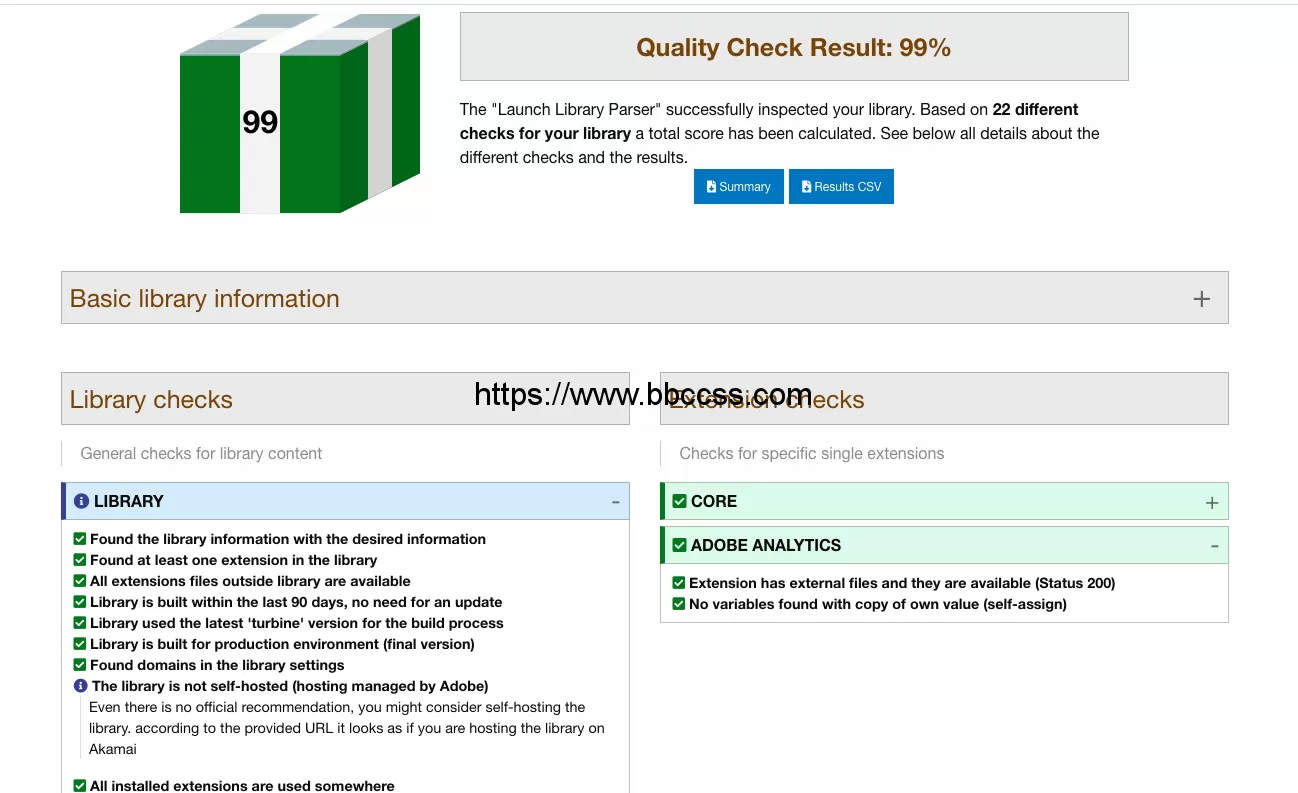
Just by looking at the Quality Check Result, you could instantly tell whether your deployment was healthy or if something was off. When I tested it with my own blog’s library code, I got a 99% score. Not bad, right?
The only error it flagged was: “The library is not self-hosted (hosting managed by Adobe).” I used the official Adobe-hosted version, so this wasn’t really an issue for me — but if you need self-hosting, that’s something to fix.
Here’s the nice part: each error or warning could be clicked to expand, and the tool would explain why it was wrong. No cryptic error codes, no guessing games. Just plain English telling you what to fix.
Content
The Content section showed you the configuration settings inside your Launch library. This was useful for two reasons:
- Auditing your own setup — double-check that all your configurations are correct.
- Analyzing other people’s websites — if you were curious about what tracking someone else had set up, what data elements they used, and how they configured their extensions, this was a goldmine.
Dependencies
This was probably the coolest part visually. The tool would draw a dependency map showing the relationships between your data elements, rules, and extensions.
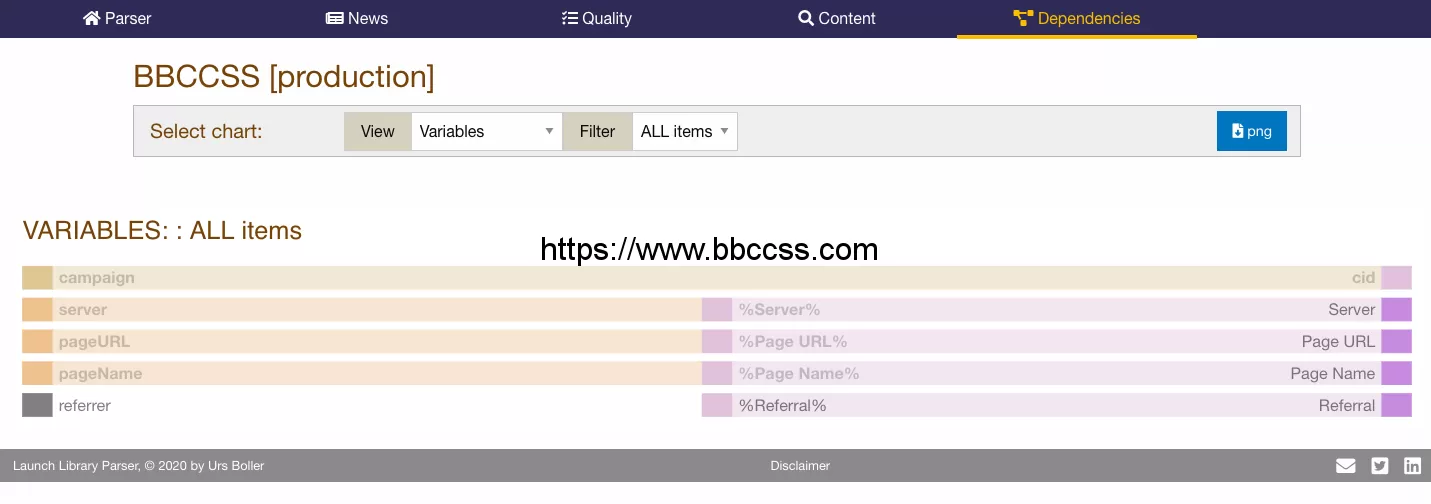
Instead of digging through your Launch interface trying to figure out which data element feeds into which rule, you could see it all laid out in a single visual. That’s where the tool really shined — making complex relationships easy to understand at a glance.
Final Words
The Launch Library Parser was a great little tool while it lasted. A simple paste-and-click workflow that gave you a quality score, configuration breakdown, and visual dependency map.
I believe that there are more tools like this out there, eg Adobe Launch Analyzer